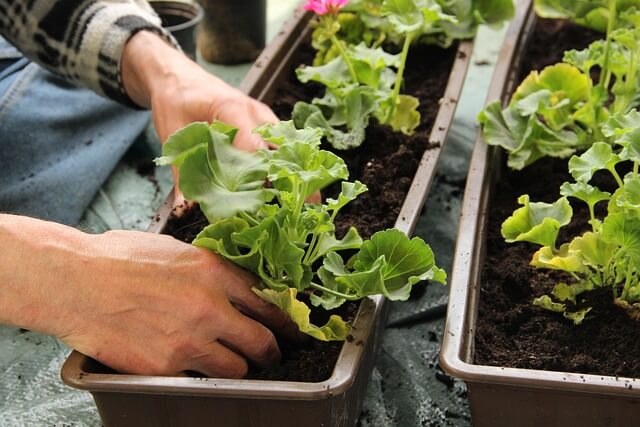
Best Containers for Container Gardening (and Which to Avoid)
Are you wondering which containers for container gardening are the best? Read on and you will find some valuable tips to find the best ones for you.
Container gardening is one of the most flexible ways to grow food and flowers, especially when your outdoor space is limited. Small spaces like patios, porches, and decks are perfect for gardening in pots and containers. But the planter you choose matters just as much as the plant you put in it. Containers for container gardening come in many materials, and each one handles water, heat, and root growth a little differently.
The good news is that you do not need a huge yard or an expensive setup to enjoy a productive container garden. You do need to match your pots to your plants, your climate, and the time you can honestly give to watering. A thoughtful choice at the start saves you from struggling all season.
How Container Material Affects Your Plants
Moisture is the biggest difference between one container and another. Containers made of porous materials, such as concrete, terracotta, fabric, and unglazed ceramic, allow further soil moisture loss through the container walls. Nonporous materials such as plastic keep more moisture in the soil around the roots. That single difference shapes how often you will need to water and how much stress your plants experience during warm stretches.
For this reason, there is no perfect container that works for everyone. If you love the classic look of clay and you enjoy tending your plants each day, a porous pot can work well. If you are busy, away from home often, or new to container gardening, a nonporous option will be more forgiving.
The Best Containers for Container Gardening
The best containers combine enough root space with a material that supports your watering habits. Here are the strongest options to consider for your patio, porch, or deck garden.
Plastic and Other Nonporous Containers
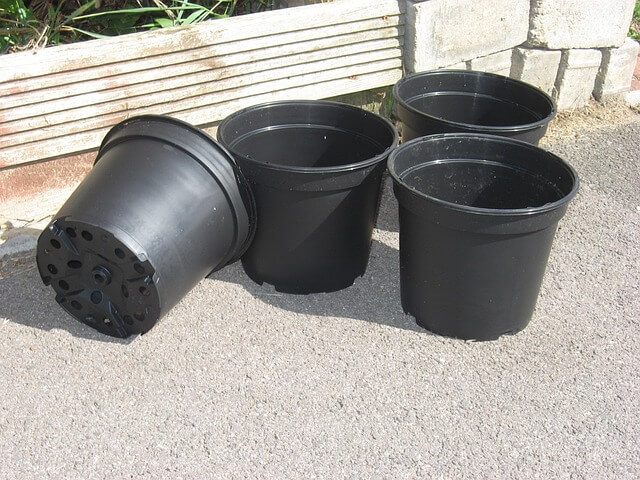
Plastic pots are a dependable choice because they do not let moisture escape the way porous materials do. Soil in plastic containers stays evenly moist longer, which means less frequent watering and more consistent growth. These containers are also easy to move around when you need to chase the light or protect plants from harsh weather. If you are building your first container garden, plastic pots give you the most room for error.
Grow Bags
Grow bags are another popular option, especially for balconies and tight spaces. Gardeners who use them swear by them, with one balcony gardener describing them as great for everything. The trade-off is that grow bags are porous, so they tend to dry out more quickly than plastic pots. You need to take steps to stop extra water from evaporating and check the soil often. Grow bags work best when you can water regularly and you want a lightweight container that stores flat between seasons.
Purpose-Built Gardening Boxes and Systems
Some gardeners prefer complete container gardening boxes designed for raised growing. Manufacturers of these systems say their gardening boxes last longer, produce more fruits and vegetables, and provide the easiest way to garden. These containers often include features that reduce guesswork, which can be valuable for families who want a simple routine. If you are willing to invest in a structured setup, a gardening box system can turn a small deck into a productive food garden.
Containers to Avoid or Use With Caution
Some containers look lovely on the shelf but create extra work once they are filled with soil and plants. The following types are not automatically bad, but they deserve caution.
Terracotta, Concrete, and Unglazed Ceramic
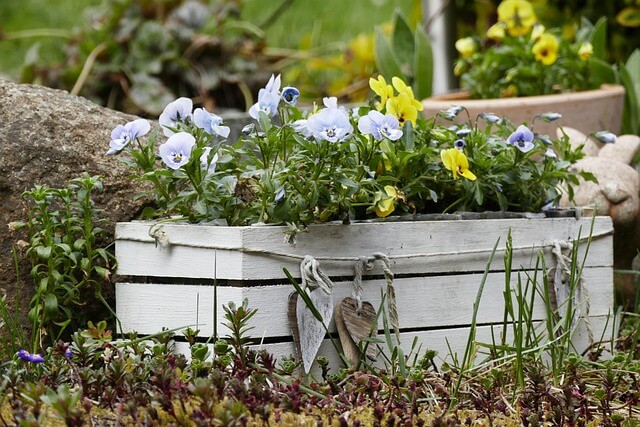
These classic materials are porous, meaning they allow further soil moisture loss through the sides of the pot. In hot or windy weather, the soil can dry out surprisingly fast. Plants in these containers may need attention twice a day during peak growing season. If you choose them anyway, use larger sizes so the soil mass holds moisture longer, and be ready to water more often. For gardeners who cannot keep a strict watering schedule, these pots can turn a relaxing hobby into a daily chore.
Containers Shallower Than 10 to 12 Inches
Depth is critical in container gardening. To get started, you want a large container, roughly the size of a 5-gallon bucket. Most experienced gardeners would not use anything less than 10 to 12 inches deep for vegetables. Small, shallow decorative pots simply cannot support healthy root systems or consistent moisture. Keep those tiny containers for short-term displays and choose deep pots for anything you hope to harvest.
Any Container That Holds Excess Water Around Roots
While porous pots dry out too quickly, the opposite problem happens when a container traps water with nowhere to go. Whatever material you select, excess water should be able to escape after heavy rain or thorough watering. A healthy container garden depends on balance. Soil that stays soggy is just as stressful to plants as soil that becomes bone dry.
Choosing the Right Container Size
Size matters more than most new gardeners realize. When you are picking containers for container gardening, aim for the largest size your space allows. A container roughly the size of a 5-gallon bucket is a solid starting point for many vegetables. Nothing smaller than 10 to 12 inches deep will give roots the room they need to develop properly.
Use containers at least 10 to 12 inches deep for most vegetables.
Start with a pot roughly the size of a 5-gallon bucket for single plants.
For larger plantings or multiple plants, look for a generous growing area of about 45 inches long by 24 inches wide.
Bigger containers hold more soil, and more soil holds more moisture and nutrients. They also stay cooler in warm conditions and give roots space to spread. When in doubt, choose the larger container. Your plants will thank you with steadier growth and healthier foliage.
Creative Container Ideas for Small and Large Gardens
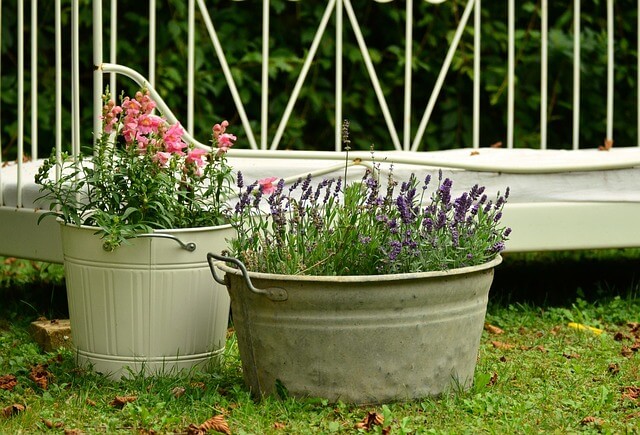
Container gardens bring structure, seasonal color, and year-round interest to outdoor spaces. You can use pots in entryways, patios, and garden beds to create focal points or soften hard corners. Even a compact porch can hold several containers arranged at different heights to make the space feel fuller and more inviting.
Color and design matter, too. A container garden works best when you think about the mix of foliage, bloom color, and pot finish together. Gardeners can find plenty of design ideas and color tips from plant growers who specialize in pots, patios, and balconies. The creative options are equally strong for small courtyards and expansive landscapes, so treat your container collection as part of your overall garden design rather than an afterthought.
Making Container Choices That Fit Your Family's Routine
For busy households, the best containers are the ones that fit real life. If you have early mornings full of school runs and evenings full of activities, choosing nonporous containers that hold moisture can protect your plants on busy days. Porous pots demand more consistent attention and can leave plants struggling if you miss a watering. Likewise, investing in fewer, larger containers often beats filling a porch with tiny pots that dry out before lunch.
A container garden should bring beauty and fresh food to your home without becoming a source of stress. Start with a few well-chosen pots, see how your watering routine holds up, and expand from there.
Frequently Asked Questions
What is the best container for container gardening?
There is no single best container for every gardener. Nonporous options such as plastic hold soil moisture longer, which helps when watering time is limited. Porous choices such as terracotta and grow bags dry out quickly and need more attention. Look first for a size near that of a 5-gallon bucket, at least 10 to 12 inches deep, and then choose a material that matches your watering routine.
How deep should a container be for vegetables?
For vegetables, choose a container roughly the size of a 5-gallon bucket, and avoid anything less than 10 to 12 inches deep. Deeper containers give roots room to grow and make watering more forgiving. Small decorative pots cannot support healthy vegetable growth. If you want to grow several plants together, try a longer planter with a generous footprint, such as one about 45 inches long by 24 inches wide.
Do grow bags dry out faster than plastic pots?
Yes. Grow bags are made of porous fabric, and porous materials allow soil moisture to escape through the container walls. Gardeners who use grow bags on balconies say they tend to dry out more quickly than other containers, so you need to stop extra water from evaporating and check them often. Grow bags work well when you can water regularly, while plastic pots hold moisture longer.
Can I start a container garden on a small patio or porch?
Yes. Patios, porches, and decks are perfect for gardening in pots and containers. These spaces can hold a surprising number of plants when you choose containers wisely. Use the largest pots you can fit, keep material matching your watering style, and arrange containers so every plant gets enough light. You can create a productive and attractive container garden even in a very compact outdoor area.

Facebook
Instagram
Youtube
TikTok
Pinterest
Website